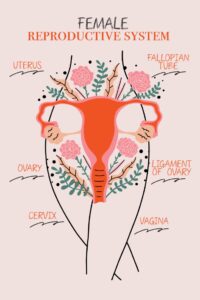

Yes, women have a finite number of eggs. They get them at birth, and they are not produced after. It is often said that women only have 300,000 eggs, but that is not the whole story.
While it’s true that the number of eggs declines over time, the journey starts with far more at birth. Understanding this process can empower women to make informed decisions about reproductive health. In this article, we’ll break down the facts, explore the science, and address common myths to provide clarity on female egg count.
How Many Eggs Are Women Born With?
At birth, a female baby typically has 1 to 2 million eggs in her ovaries. These are formed during fetal development and represent the lifetime supply. Unlike sperm, eggs aren’t produced anew after birth. This initial high count sets the stage for future fertility, but natural loss begins immediately.
By the time a girl reaches puberty (around ages 10-14), the egg count drops to about 300,000 to 400,000. This is where the “300,000 eggs” figure often comes from. It’s the approximate number available at the start of reproductive years. However, only 300-400 of these will ever mature into ovulated eggs over a woman’s lifetime. The rest are lost through a natural process called atresia.
For more on ovarian development, check this overview from Healthline.

The Decline of Eggs Over Time
Egg loss continues steadily after puberty. Each menstrual cycle, thousands of eggs begin maturing, but only one (or rarely two) is released during ovulation, the rest degenerate. By age 30, a woman might have around 100,000 eggs left; by 40, about 10,000-20,000. Menopause, typically around 45-55, marks the end when fewer than 1,000 remain. Though fertility declines much earlier.
Factors like genetics, lifestyle (e.g., smoking accelerates loss), and health conditions (e.g., PCOS or endometriosis) influence the rate. This gradual decline explains why fertility decreases with age, it’s a dynamic process. Expert insights from Medical News Today highlight how lifestyle can impact this timeline.
What Does the 300,000 Egg Myth Mean for Fertility?
The “women only have 300,000 eggs” statement refers to the pubertal count, but it’s misleading without context. Fertility isn’t just about quantity. Egg quality also declines, with higher risks of chromosomal issues after 35. However, many women conceive naturally into their 40s, and options like egg freezing preserve viability.
If concerned, consult a doctor for tests like AMH (anti-Müllerian hormone) levels to gauge ovarian reserve. Lifestyle choices (healthy diet, exercise, avoiding toxins) can support egg health, though they don’t increase numbers.
Debunking Common Myths
- Myth: Women suddenly lose all their eggs: No, loss is gradual, and fertility varies.
- Myth: More eggs mean better fertility: Quality often trumps quantity; age impacts both.
- Myth: Men don’t have similar limits: Men produce sperm daily, but quality declines too.
Understanding your egg count empowers proactive choices. For more on intimacy and relationships, explore our guides.